
Issei Poetry Project
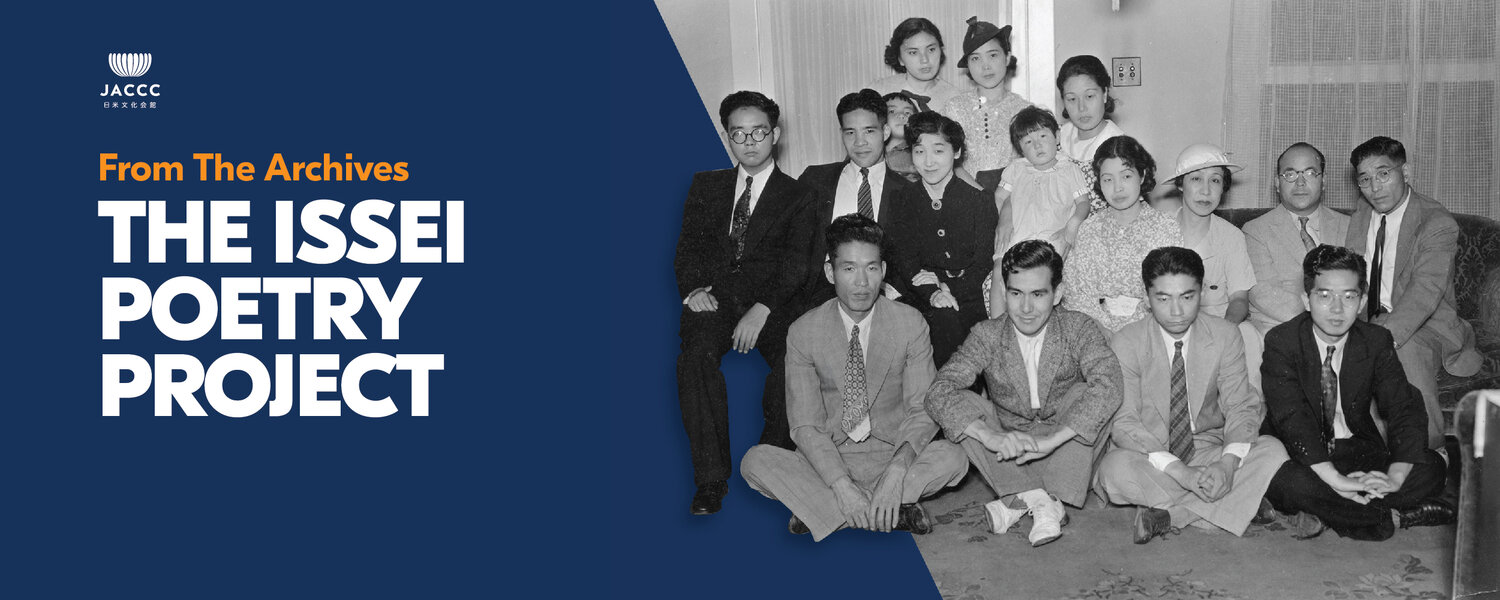
The Issei Poetry Project’s goal is to recover the Japanese-language literature of Los Angeles’ Issei (first-generation) writers and educate the public about their significant creative contributions through translation, interpretation, and publication. It is an effort to preserve and translate an archival collection of poetry and literature written by Issei between the wars. Much of this work was thought lost due to the war and incarceration camps. It gives direct access to the feelings and thoughts of the first generation writing during a period of intense US anti-Asian politics and the Great Depression.
The Los Angeles Issei Poetry project is supported, in part, by the National Historical Publications & Records Commission, Mellon Foundation, and The John Randolph Haynes and Dora Haynes Foundation.
Featured Video Poem
Poetry Archives
1920-1942: The Golden Age
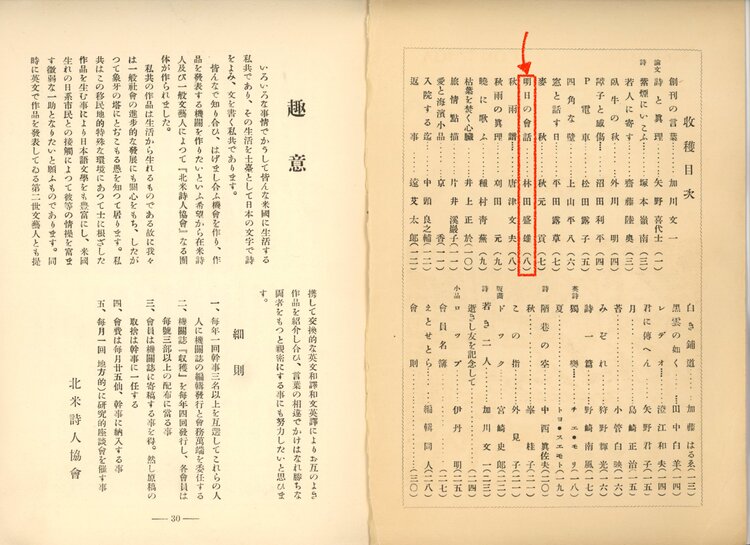
Did you know there was a golden age of Japanese-language Nikkei literature in the United States during the 1920s and 30s? Despite laws that legalized anti-Asian racism throughout the country, Issei (first-generation immigrant) literary activity flourished in Japanese American communities.
Click here to flip through the literary journal Harvest (Shūkaku / 穫收), Vol. 1 No. 1, 1936.
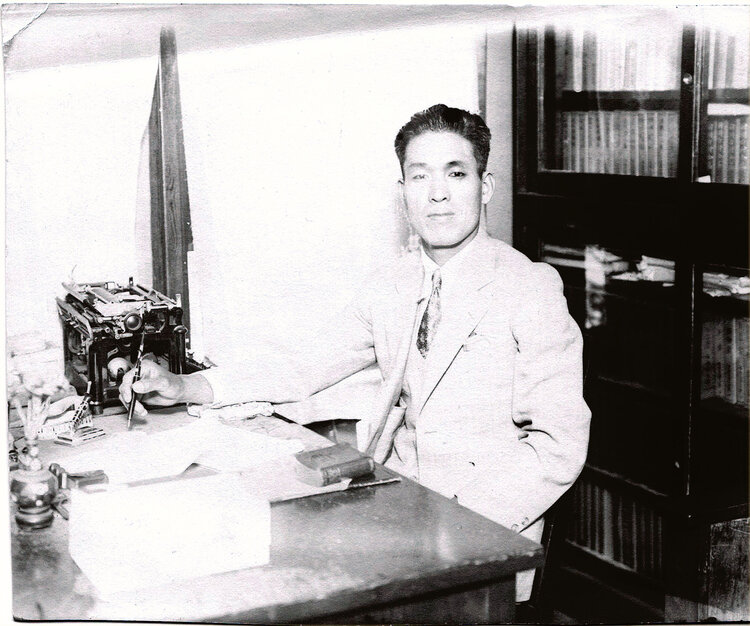
Morio Hayashida Collection
Morio Hayashida, who lived near the Crenshaw District, was very active in the Japanese-language Los Angeles literary community. He published poems in the Rafu Shimpo, literary journals, and eventually his own book, Where to Go (1928). Hirokazu Kosaka, JACCC’s Master Artist in Residence, is Hayashida’s grandson, and the caretaker of his published and unpublished writings.
Agosto-sha Publishing Company
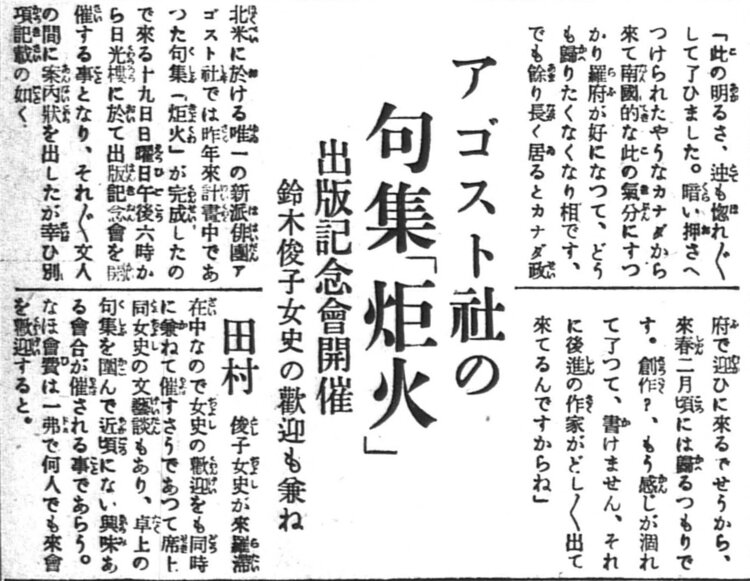
In the pre-war period, the Los Angeles-based publishing company Agosto-sha actively supported local Japanese-language poetry. They had a regular poetry column in the Rafu Shimpo, organized poetry retreats, and published several poetry collections, including Torch, an anthology commemorating the 1932 Los Angeles Olympics.
Issei Poetry Friday
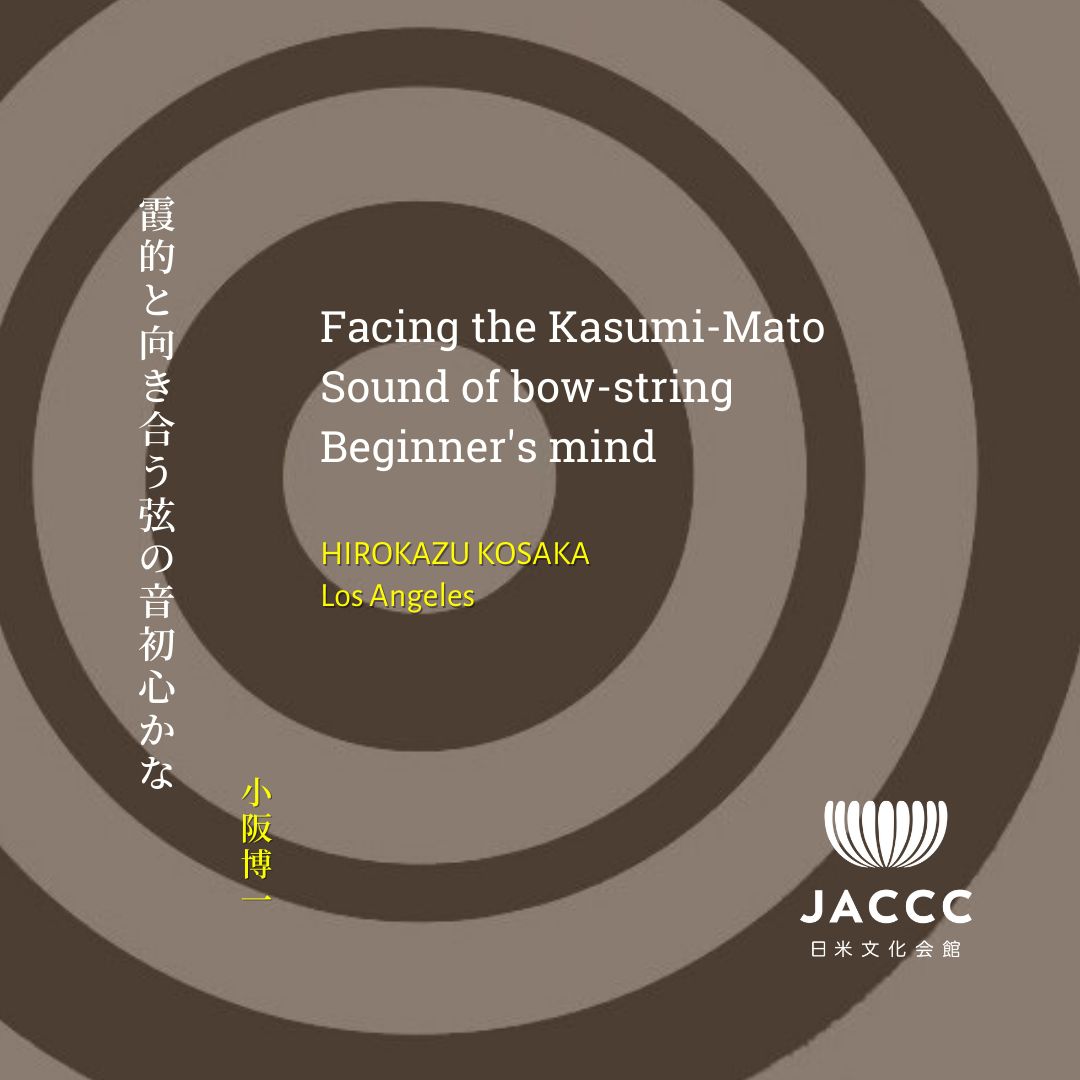
Issei Poetry Friday regularly features poems from the "Los Angeles Issei Poetry Collection Digital Edition," an ongoing archival project funded by the National Historical Publications and Records Commission, Andrew W. Mellon Foundation, and The John Randoph Haynes and Dora Haynes Foundation.